
Red Wolf Update
- Arjun Patel
- Apr 3
- 4 min read

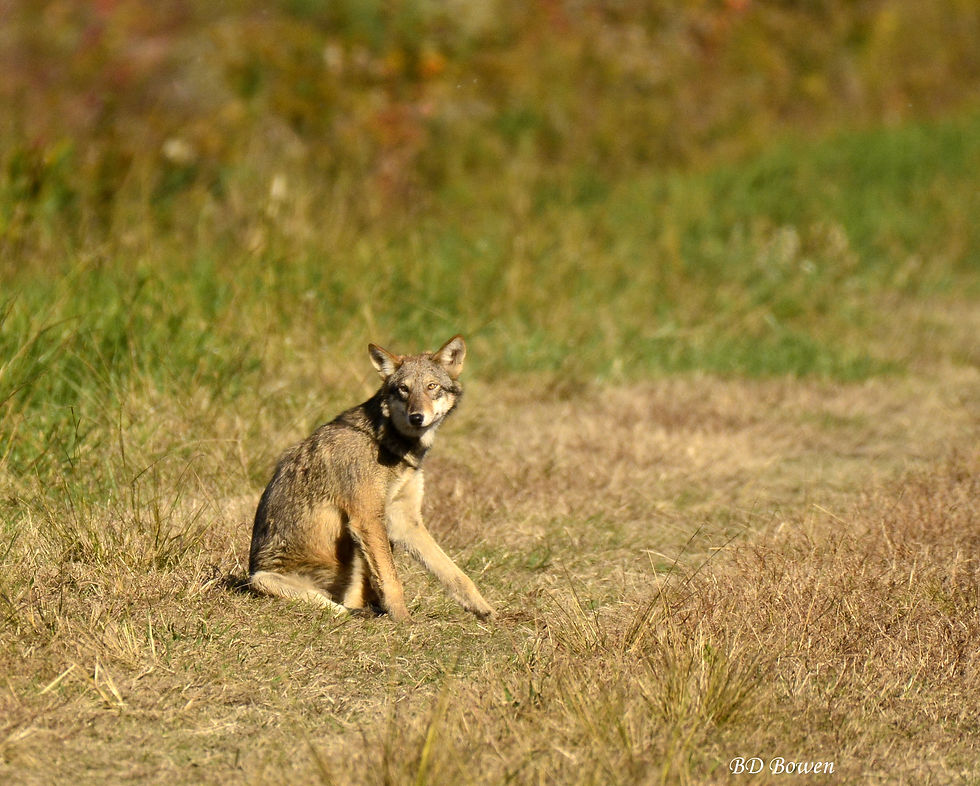
The red wolf has long been recognized as one of America's most endangered species. This captivating creature has captured the hearts of wildlife enthusiasts and conservationists alike. The Save the Red Wolf team is actively pushing forward with new strategies and updates aimed at preserving this majestic animal. In this post, we will explore the latest advancements, challenges faced, and the vital role of community efforts in the survival of the red wolf.
Recent Developments in Red Wolf Conservation
The Save the Red Wolf team has recently announced several key initiatives aimed at increasing the population of red wolves in the wild. Collaborating with federal and state wildlife agencies, the team is making significant strides toward creating a sustainable environment for these wolves.
One of the initiatives involves the establishment of new habitats that closely resemble the native conditions required for red wolves to thrive. For instance, in North Carolina, specific areas have been designated as protected habitats where prey populations, such as deer and small mammals, are abundant. These habitats provide not only the necessary space but also integrate essential aspects of the ecosystem that allow for safe breeding practices.
This approach emphasizes the importance of maintaining genetic diversity within wolf populations. Inbred populations can lead to health issues and reduced adaptability. For example, studies show that increasing genetic diversity can enhance survival rates by up to 30 percent. By preventing inbreeding, the red wolf gene pool can remain strong and resilient.
Community Engagement and Education Efforts
A key aspect of the Save the Red Wolf efforts is the active involvement of local communities. Engaging with local residents through educational programs has proven essential for the success of these conservation initiatives.
By organizing workshops, outreach programs, and informational sessions, Save the Red Wolf enhances public awareness about red wolves and the critical environmental roles they play. For instance, during a recent community workshop in a participating North Carolina town, more than 150 attendees learned about red wolf ecology, leading to an increase in local support for conservation efforts.
Imagine local schoolchildren learning about the lives of red wolves and becoming advocates for their preservation. This grassroots approach fosters a sense of ownership over wildlife conservation. When communities understand the importance of red wolves, they are more likely to support efforts to protect their habitats.
Monitoring and Research Initiatives
To better track red wolf populations, the team is continually updating its monitoring techniques. State-of-the-art GPS collar technology has been introduced to gather real-time data on these elusive animals. Currently, 25 red wolves are equipped with GPS collars, allowing researchers to collect vital information on behaviors like hunting and territory disputes.
This data is crucial as it helps the team understand the challenges red wolves face in their natural habitat. For instance, the monitoring has revealed that red wolves travel an average of 10 miles per night to hunt, which can expose them to risks, including vehicle collisions. This information is vital to adapting conservation strategies to mitigate such dangers.
Additionally, studies exploring the effects of human presence on red wolves have provided valuable insights. Data showed that areas with reduced human activity had a 40 percent higher wolf population density. This knowledge is guiding policy changes aimed at minimizing adverse interactions between red wolves and development projects.

Partnerships and Collaborations
To maximize impact, Save the Red Wolf has actively sought partnerships with various environmental organizations, universities, and research institutions. Collaboration is crucial for tackling the complex challenges that red wolves face.
Recent partnerships have focused on joint studies monitoring health and genetic diversity across several states. For example, a collaboration with a leading university resulted in a study that identified genetic variations showing a 15 percent increase in the red wolf population’s resilience. By pooling resources, knowledge, and manpower, these partnerships significantly enhance conservation efforts.
Such collective action is essential as strategies must often be adapted to meet both ecological needs and human interests. Together, these collaborations lay the groundwork for a more comprehensive approach to protecting not only red wolves but also the diverse ecosystems they inhabit.
Challenges Ahead
Despite the progress made, significant challenges persist on the road to red wolf recovery. Habitat encroachment due to urban development continues to threaten their survival. Additionally, legal and policy barriers can hinder conservation efforts, complicating the implementation of new initiatives.
The stigma surrounding wolves in rural communities also contributes to resistance against conservation measures. Although education is a powerful tool, persistent myths and fears must be addressed. One survey indicated that 60 percent of local residents were unfamiliar with the ecological benefits red wolves provide, highlighting a crucial area for public outreach.
The Save the Red Wolf team acknowledges these hurdles and is determined to overcome them through continued advocacy, awareness campaigns, and fostering open dialogues with affected communities.
The Role of Social Media and Online Advocacy
In today’s digital landscape, online advocacy plays a pivotal role in conservation efforts. The Save the Red Wolf team actively utilizes various platforms to share crucial updates, success stories, and educational materials. Engaging videos, infographics, and compelling narratives extend the reach of their message.
By leveraging social media, they can connect with audiences beyond traditional methods. For instance, a recent campaign highlighting red wolf pups garnered 50,000 views within a week, demonstrating the power of digital outreach. This level of engagement not only raises awareness but can also translate into concrete actions, such as donations and volunteer efforts.
As people unite online, the camaraderie surrounding the cause fosters a collective call to action. This solidarity can lead to increased community involvement, whether through local programs, policy advocacy, or merely spreading the word about red wolf conservation.
The Path Forward
The future of the red wolf relies on the collaborative efforts of the Save the Red Wolf team, local communities, and supportive partners. With a dedicated approach to conservation, education, and advocacy, the recent updates shine a light on the path ahead.
As we move forward, it is critical for individuals to remain informed and engaged in these efforts. Whether through participating in local programs, advocating for policy changes, or sharing information online, every action contributes to the fight to save this iconic species.
The journey continues, but with unity and determination, the prospects for the red wolf are promising. Let us rally support, raise our voices, and make a difference together!

Comments